1:480 Prague Odyssey

03 / 2024

Muzeum Prahy, Prague, Czech Republic

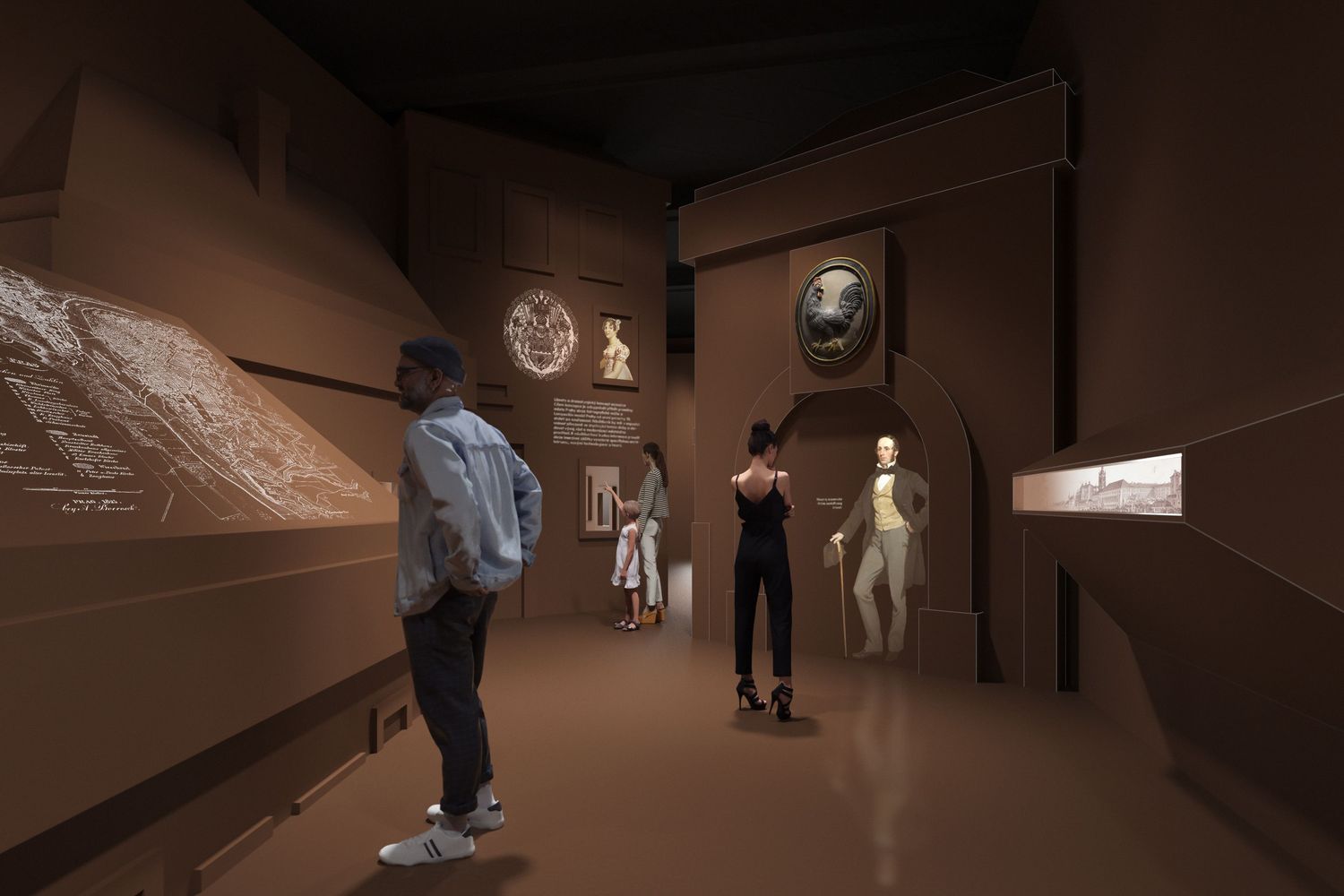
1:480 Prague Odyssey is a competition design for an immersive audiovisual exhibition inspired by Langweil’s paper model of Prague (1826–1837), which connects the city’s history with cutting-edge technologies. Through the concept of five thematic rooms, visitors embark on a journey through time – from Prague as it was 200 years ago, where figures from the past speak directly to them through a digital city model observed from a real-time bird’s-eye perspective, to a contemplative zone and a detailed exploration of Langweil’s work. The combination of VR, AR, game strategies, interactive projections, and physical installations collectively tells the story of Prague’s transformation, its urban development, and life within it, with an emphasis on emotion, atmosphere, and discovery. The project was created in collaboration with the studio Cirque.Menu and received second place in an invited competition organized by the Museum of Prague.
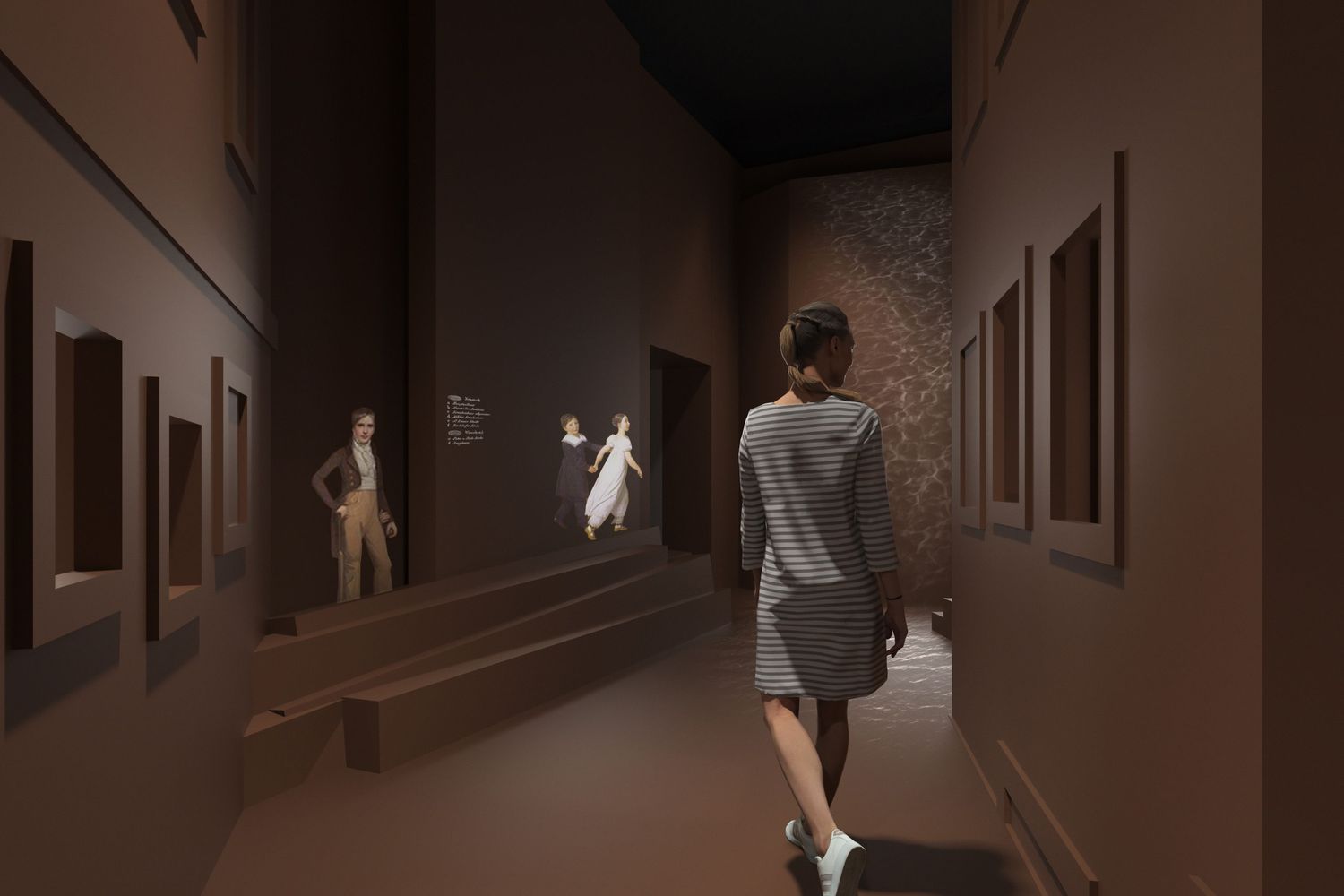
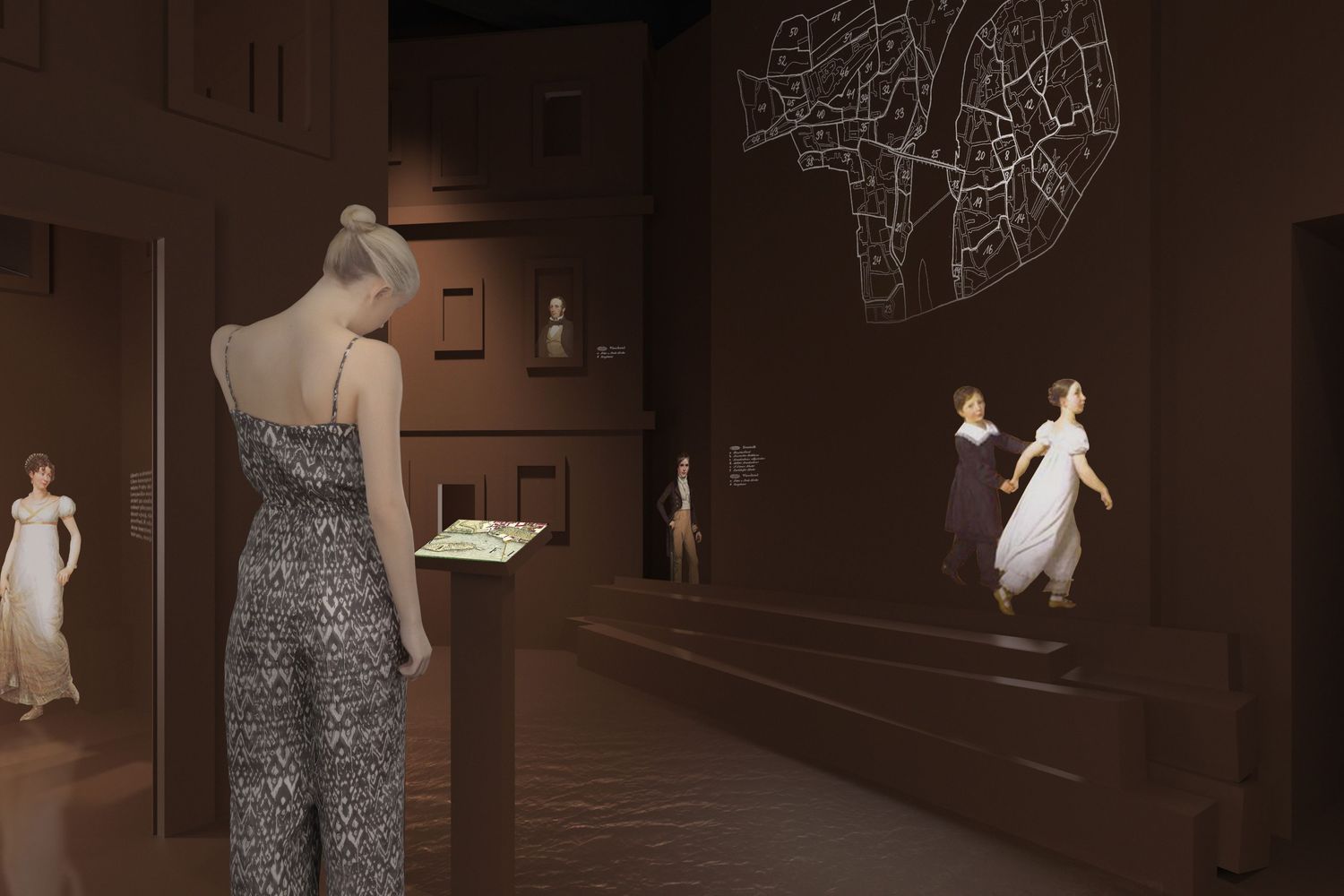
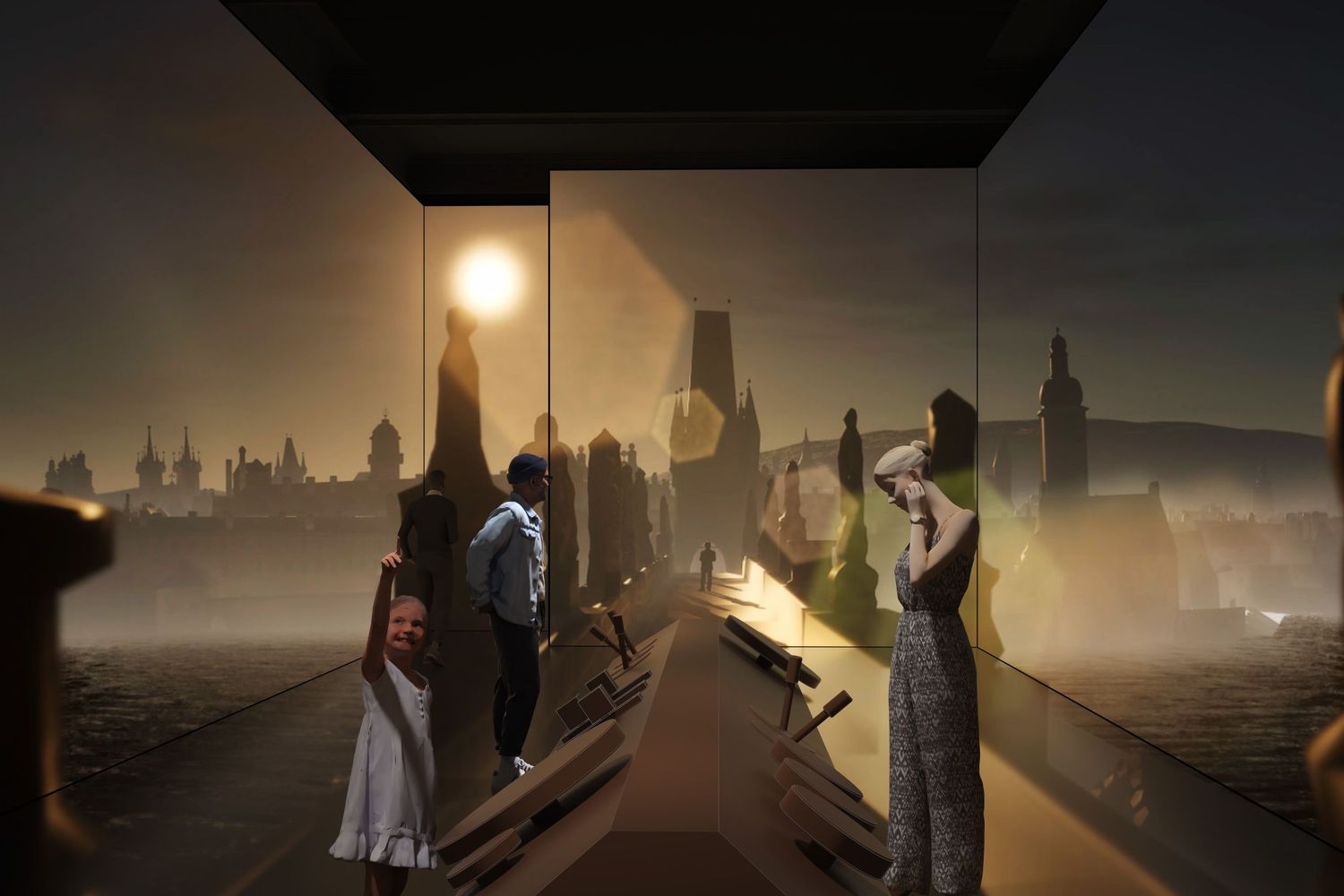
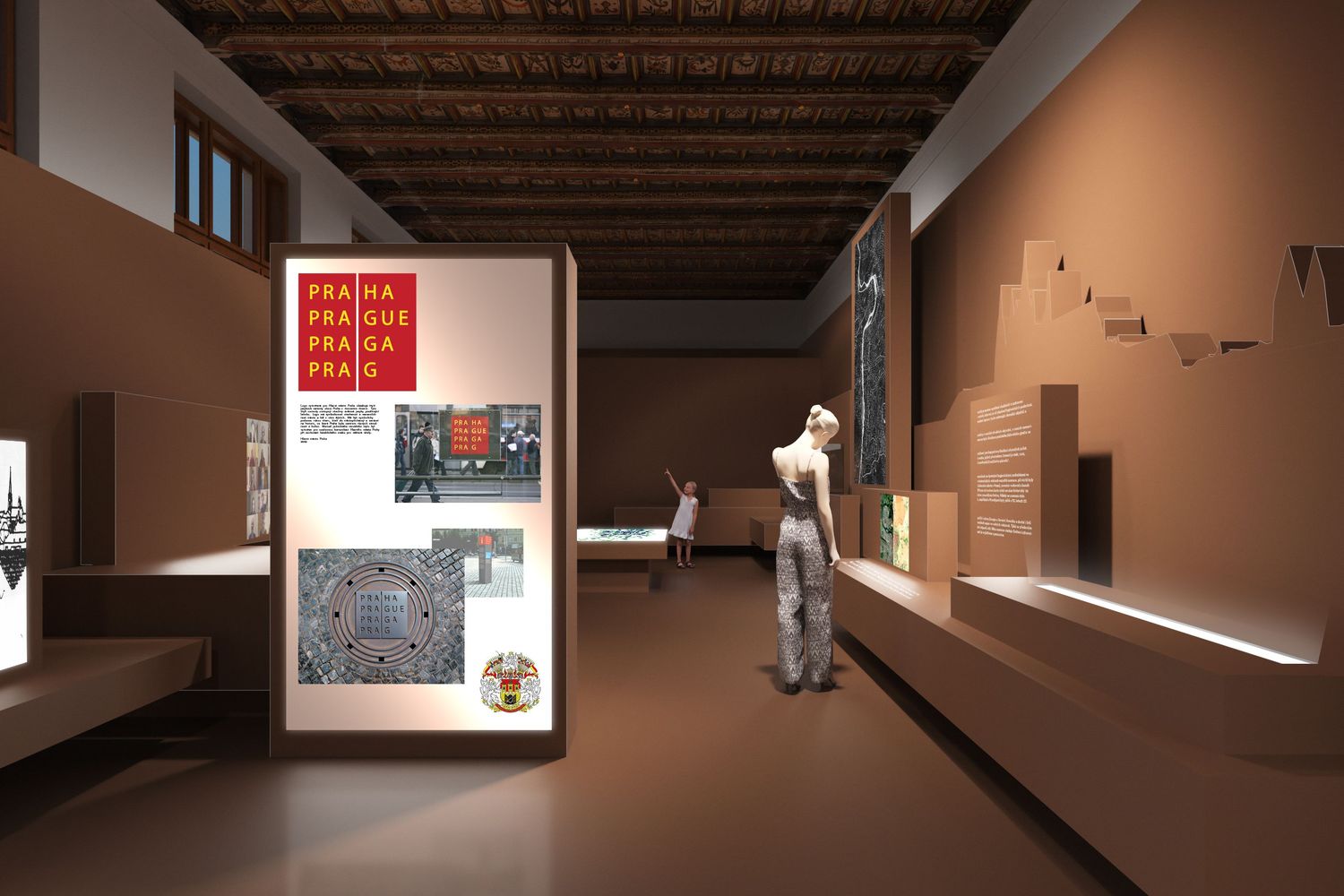
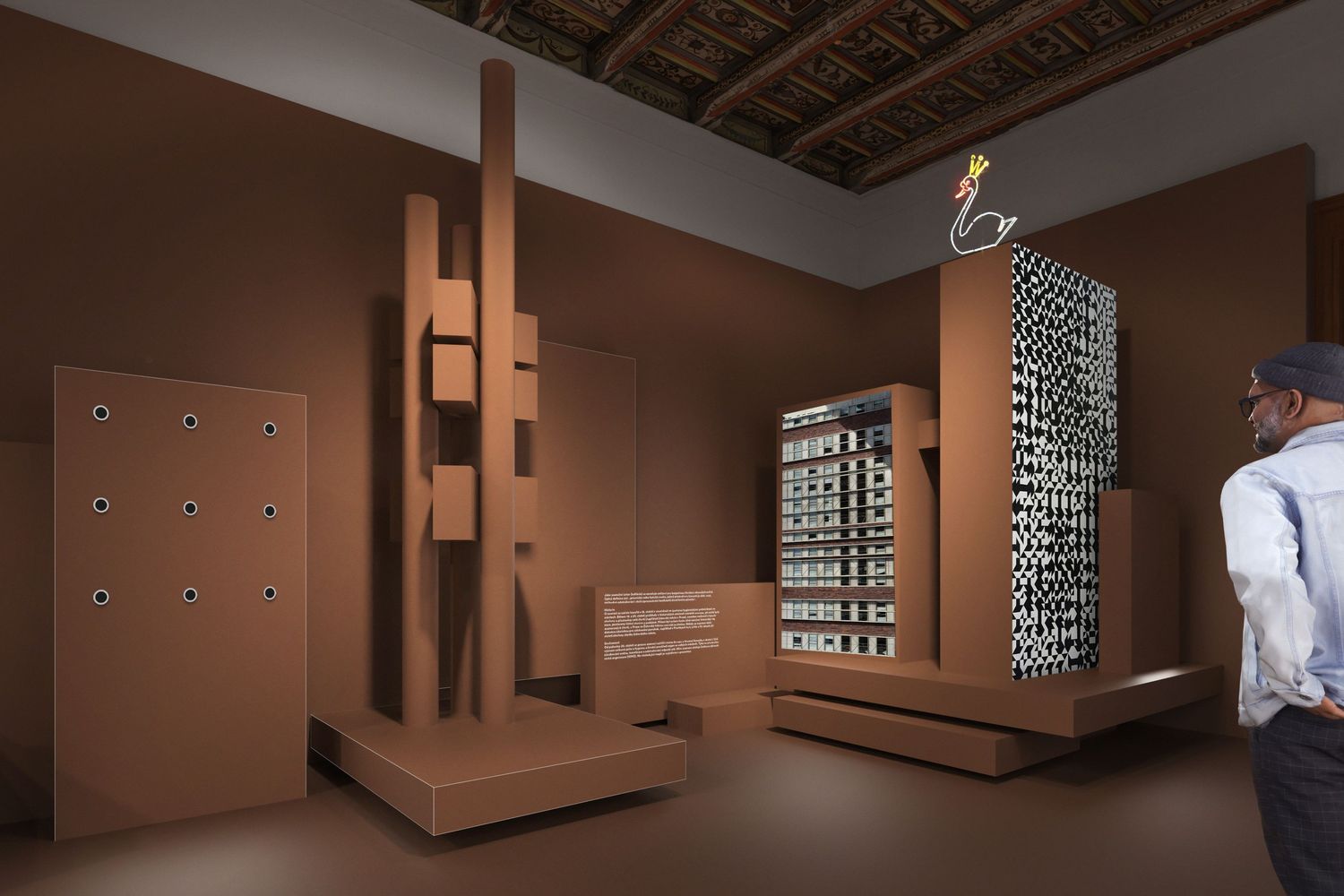
The first room takes visitors through physical scenes of Prague's shadow world and shows what Prague looked like 200 years ago. Projections and period characters bring to life everyday stories of the inhabitants and the transformation of the city, which was united from four parts into a single whole. The architecture, with its typical house signs, passageways, and courtyards, draws visitors into the atmosphere of the time—from the cramped streets of the former Jewish ghetto to the bustle of the marketplaces by the river.

The dominant feature is the silhouette of Prague Castle, accompanied by an explanation of the development of St. Vitus Cathedral. Charles Bridge over the Vltava River reveals the importance of the river for trade and the emergence of city centers. The soundscape illustrates life in the streets, and thematic stops present important places and their stories. The exhibition provides a basic overview of what Prague looked like at the time and the influences that shaped its face.

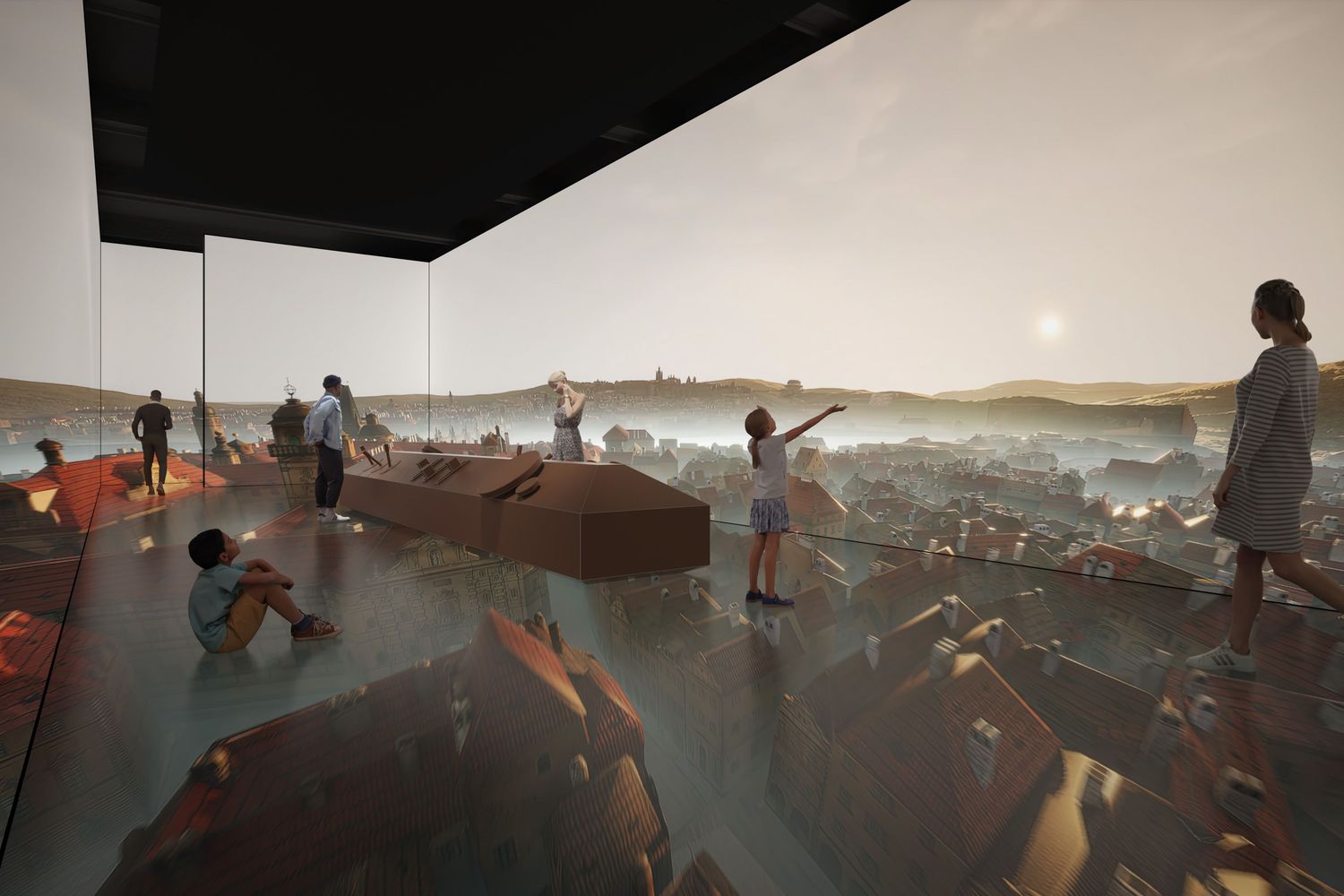
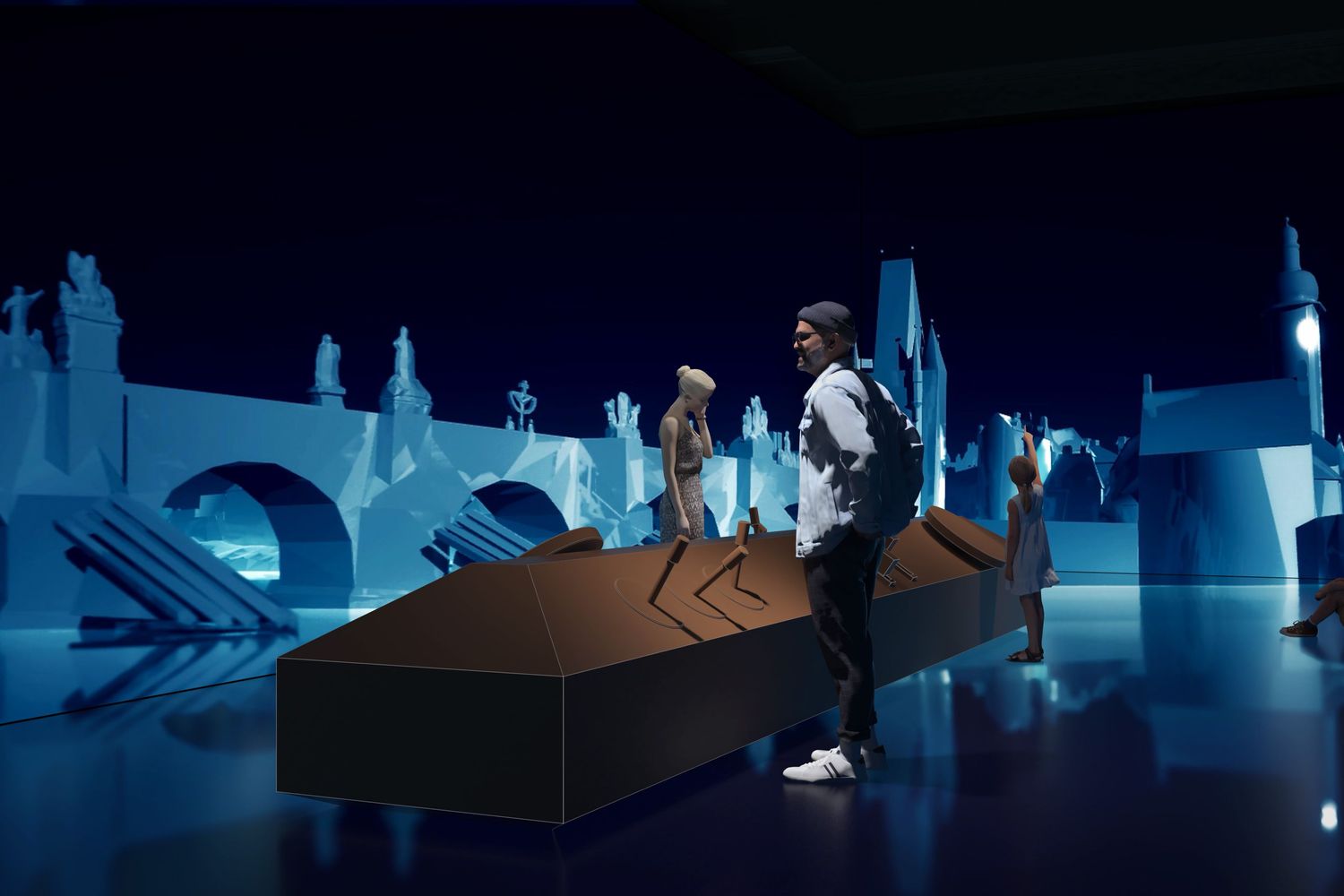
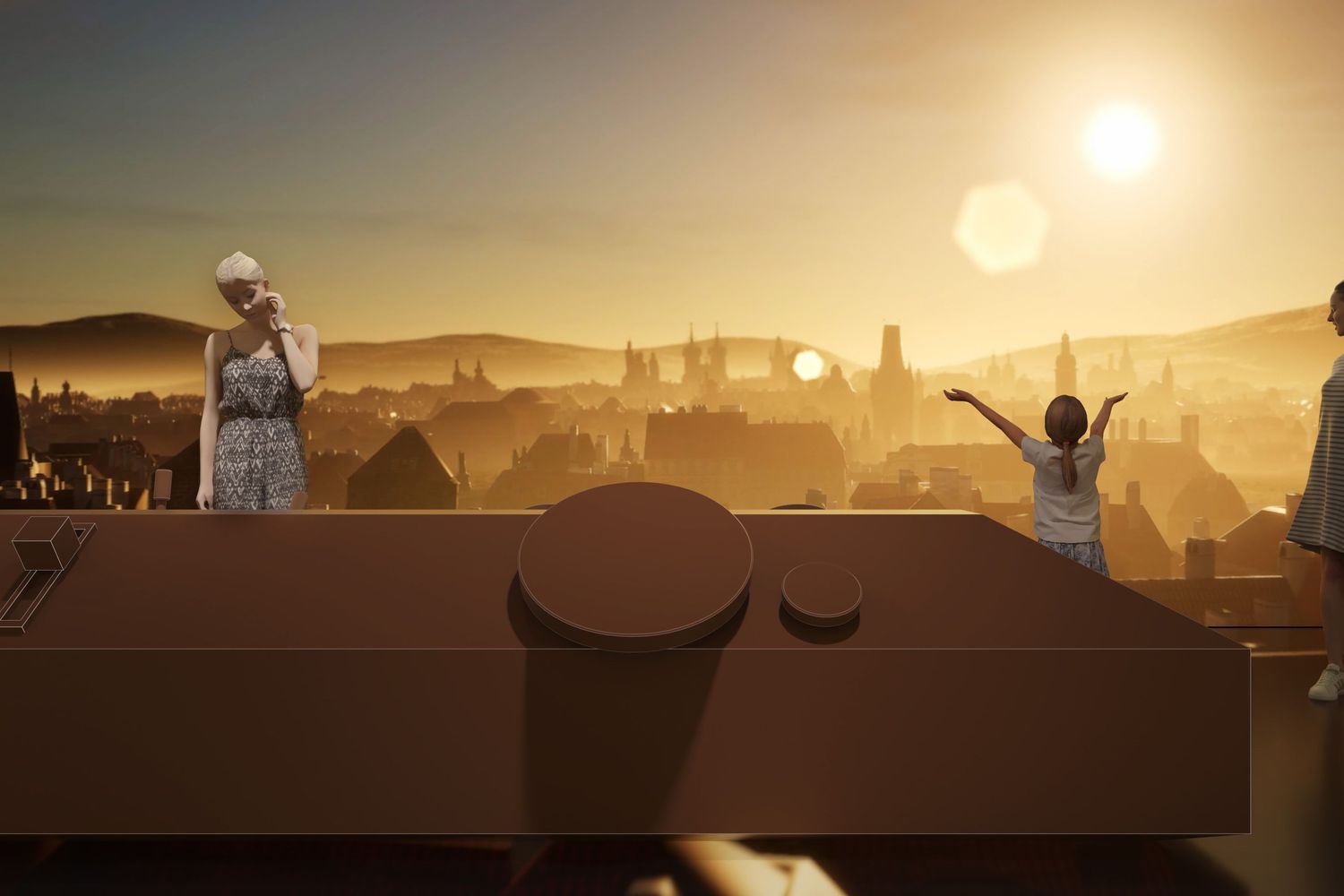
The second room contrasts with the first. In contrast to the urban microcosm, visitors fly over a digitized model of the city by Antonín Langweil, projected onto the walls and floor. Thanks to immersive projection, it is possible to examine the appearance of Prague in the first half of the 19th century in detail from a bird’s-eye view and place it within a broader context.

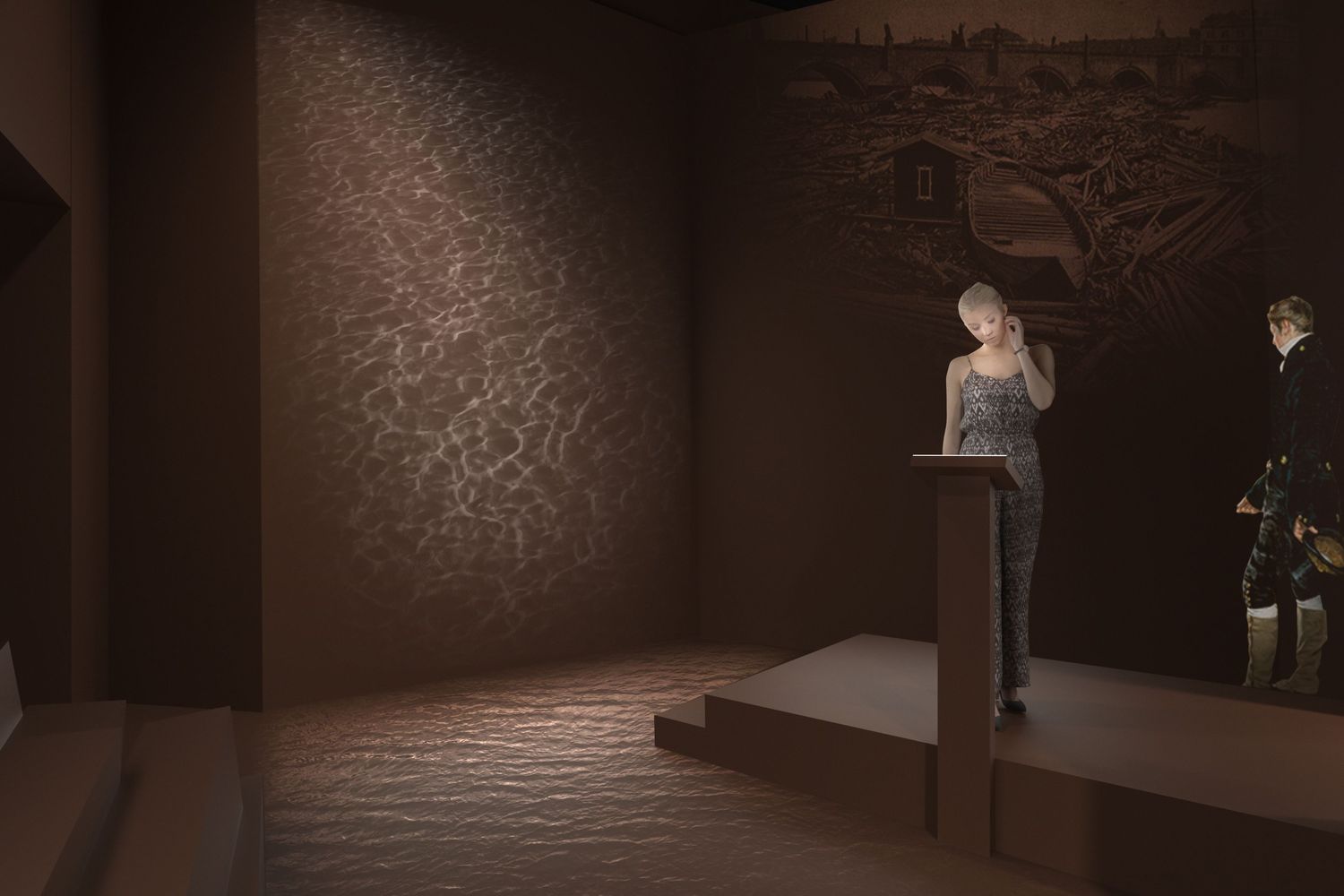
Visitors can interactively switch between day and night, light and darkness, choose the weather, and even adjust the river level or traffic. In addition to the atmosphere, visitors can study important buildings and events of the time during their flight. The information reveals the significance of the model and its extraordinary level of detail—from slaughterhouses to floating logs on the river.
The hustle and bustle of the city, together with sound effects that respond to interactivity, complete the overall experience.

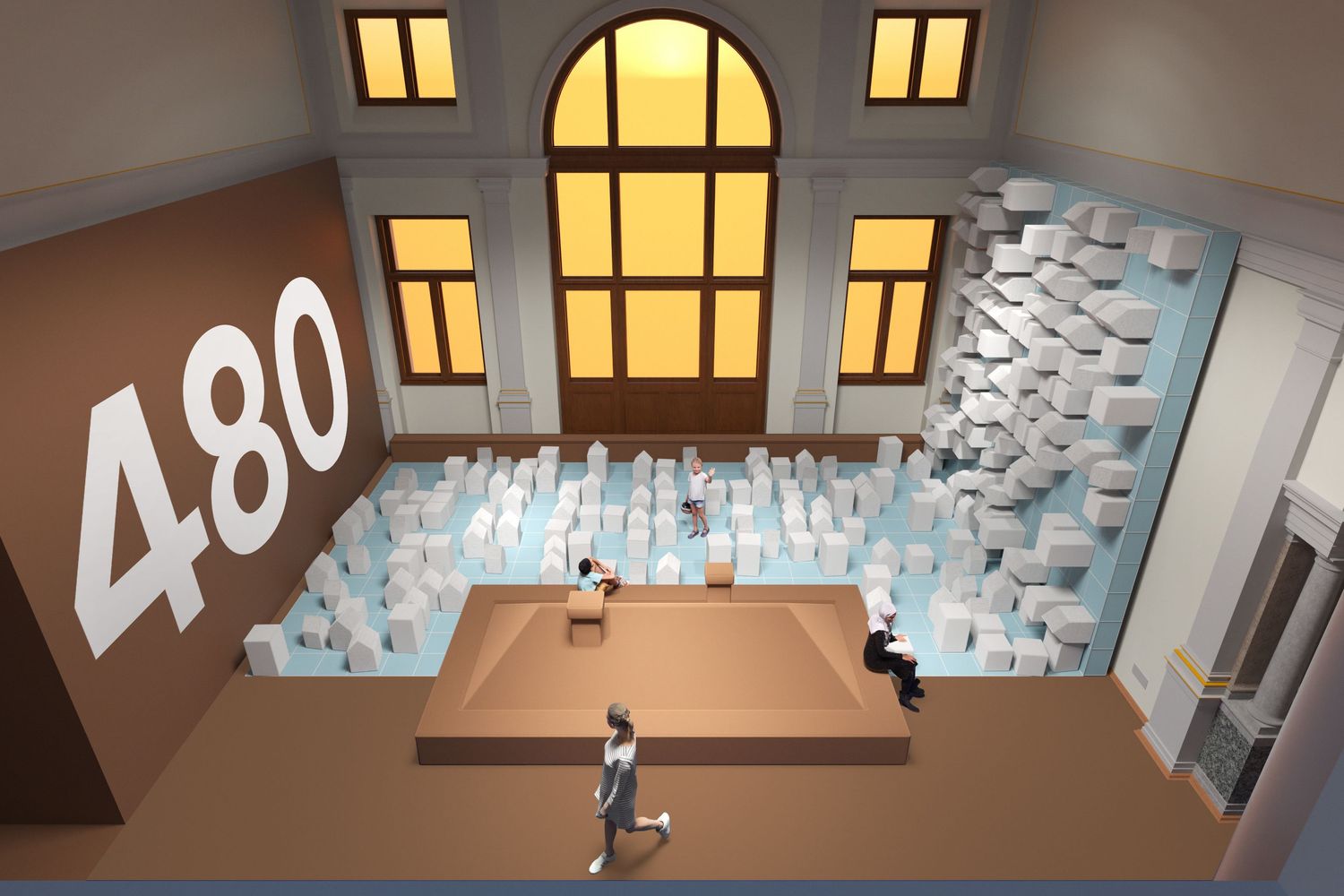
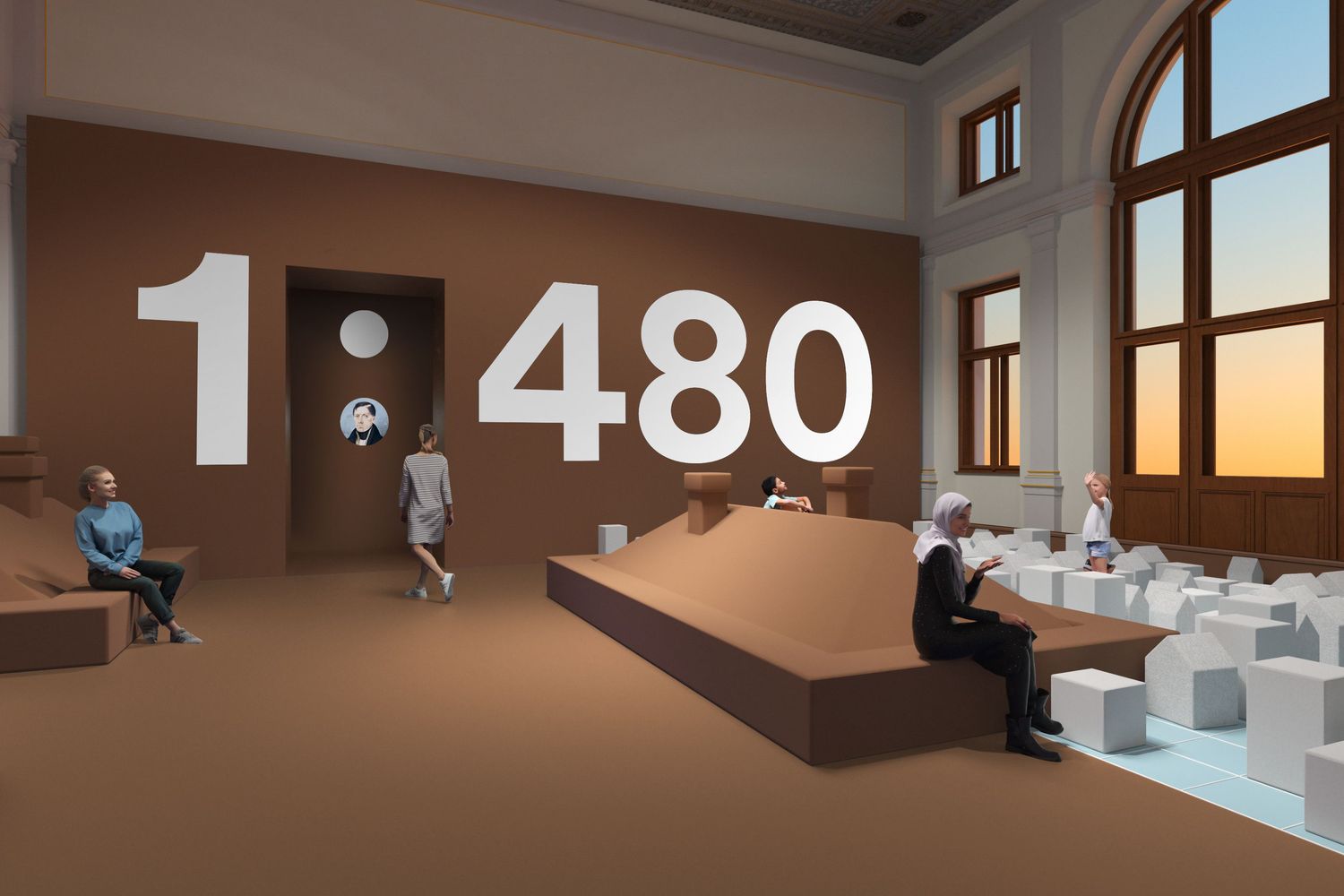
The center of the exhibition serves as a relaxation zone, offering space to gather one’s thoughts. Stylized seating in the form of rooftops evokes the atmosphere of the place where Antonín Langweil most often worked. The space includes an analog game in which not only children can build their own city. A carpet with a grid and a wall serving as storage space for large Velcro fabric cubes allow visitors to create new forms of the city. Large 1:480 typography connects the name of the exhibition and at the same time invites visitors to the fourth room, where the city is displayed at this scale.

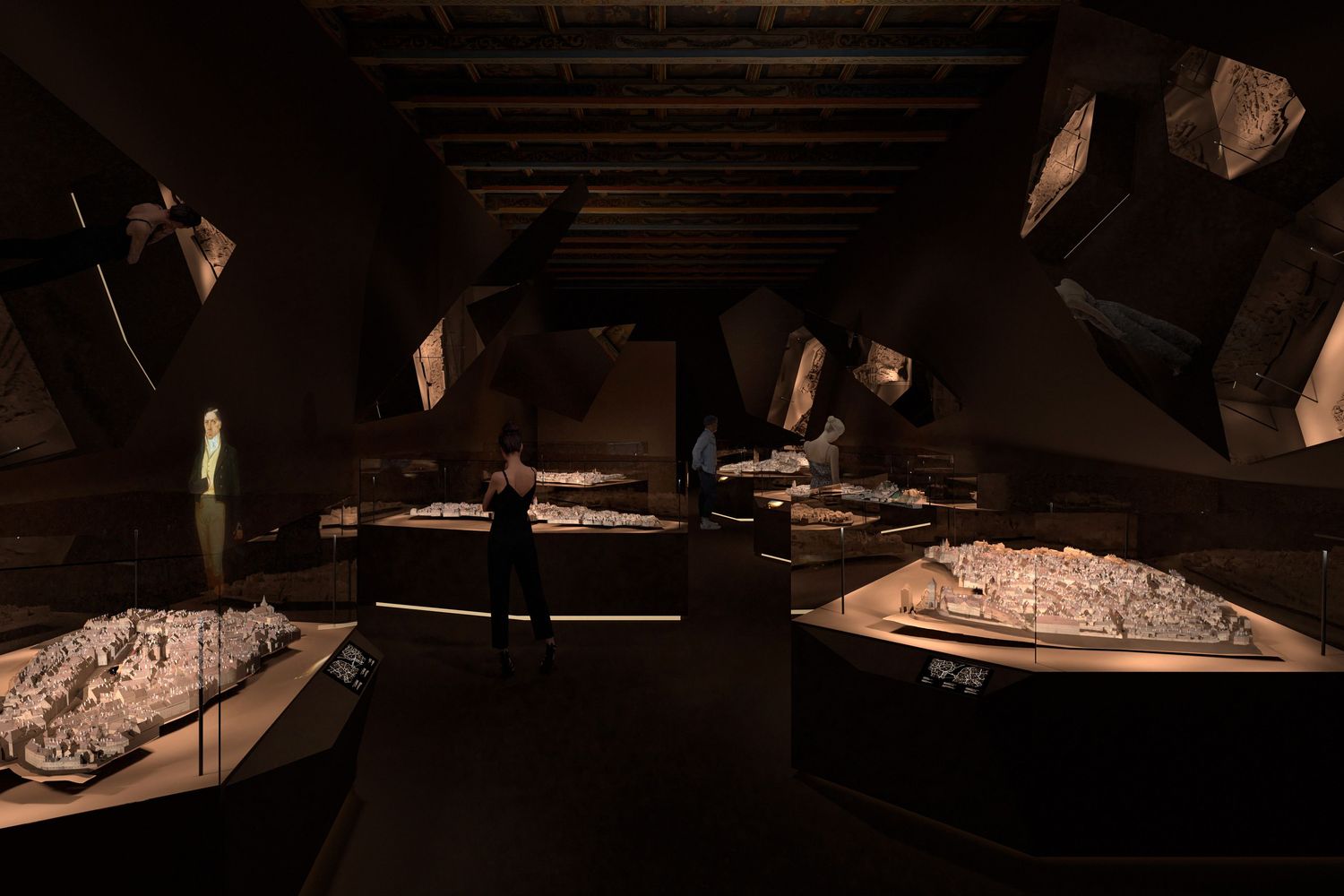
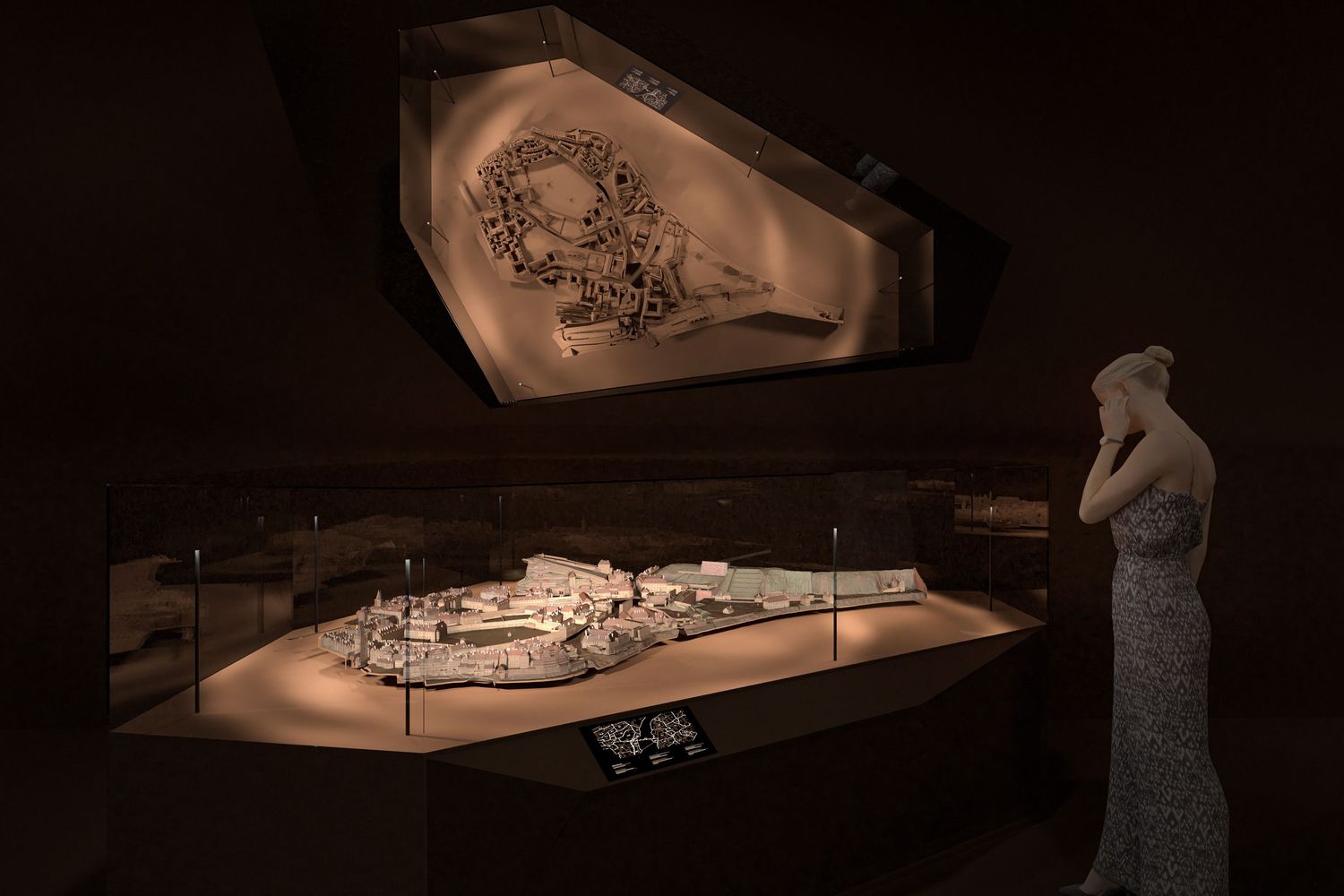
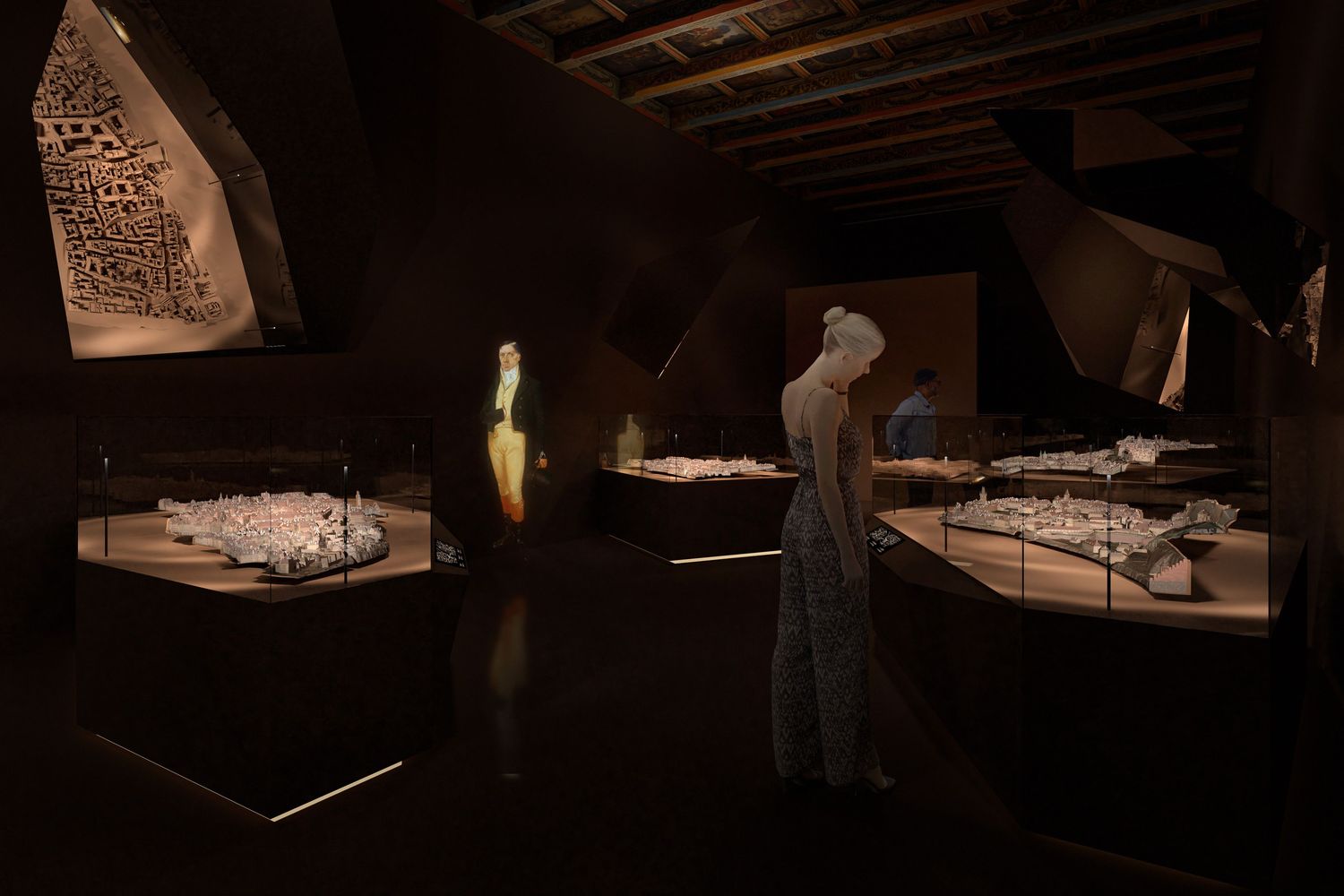
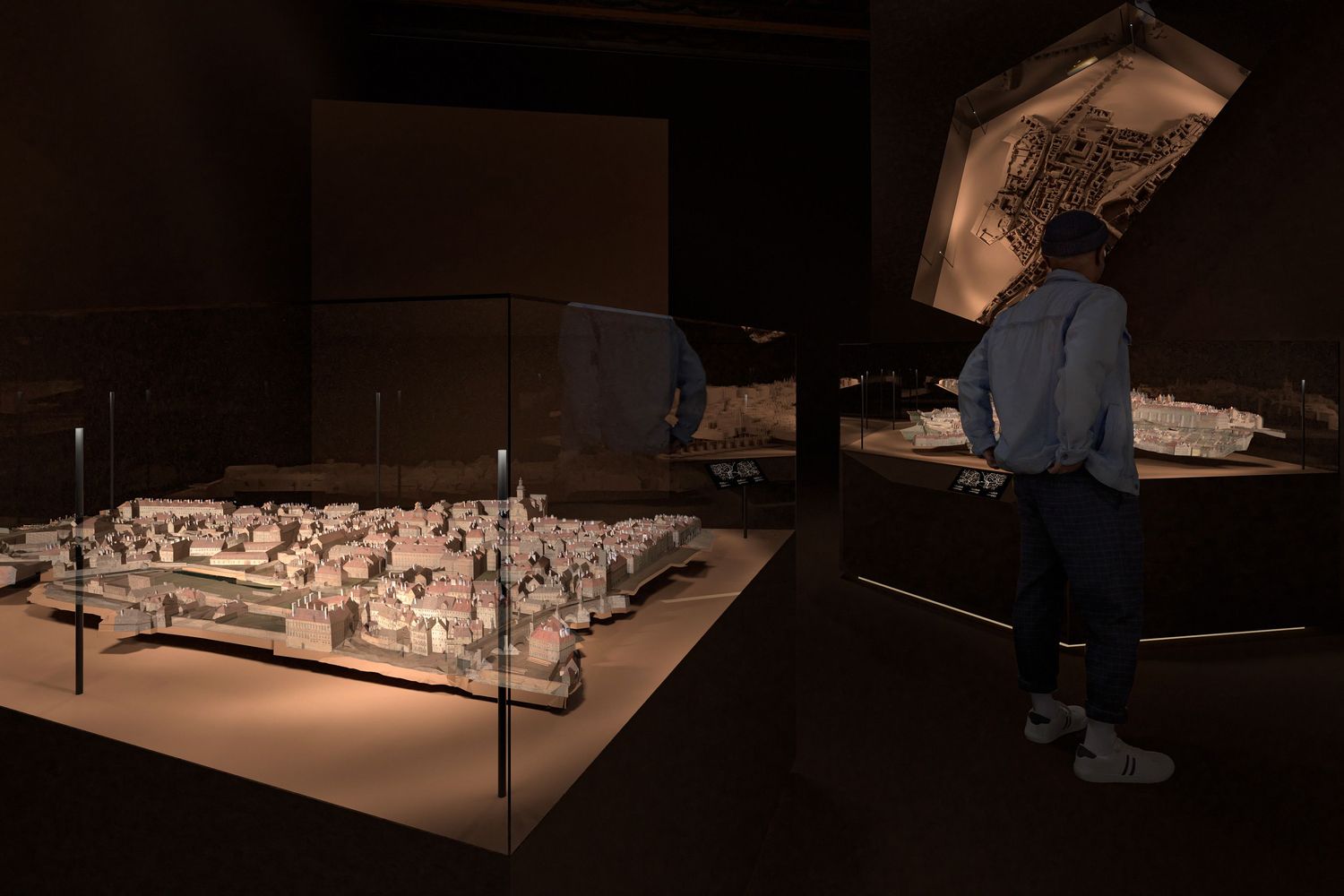
The fourth room presents Langweil’s original paper model. The individual parts are displayed in showcases with touch screens that offer additional information and detailed views from different angles. Movable mirrors above the display cases, which can also be tilted using the displays, provide an overview and a better understanding of the city’s urban planning. Built-in LED lights gently illuminate selected areas in connection with the content on the screens.

The figure of Antonín Langweil enters the space, telling his story and bringing the exhibition to life. His tireless activity spans the period from the mid-19th century to the present day, demonstrating the determination and energy necessary to follow one’s dreams. The transition to the next room is formed by an alleyway with gradually increasing sounds—accelerating beats and melodies symbolically transporting visitors from the peaceful environment of the past to the hectic present.

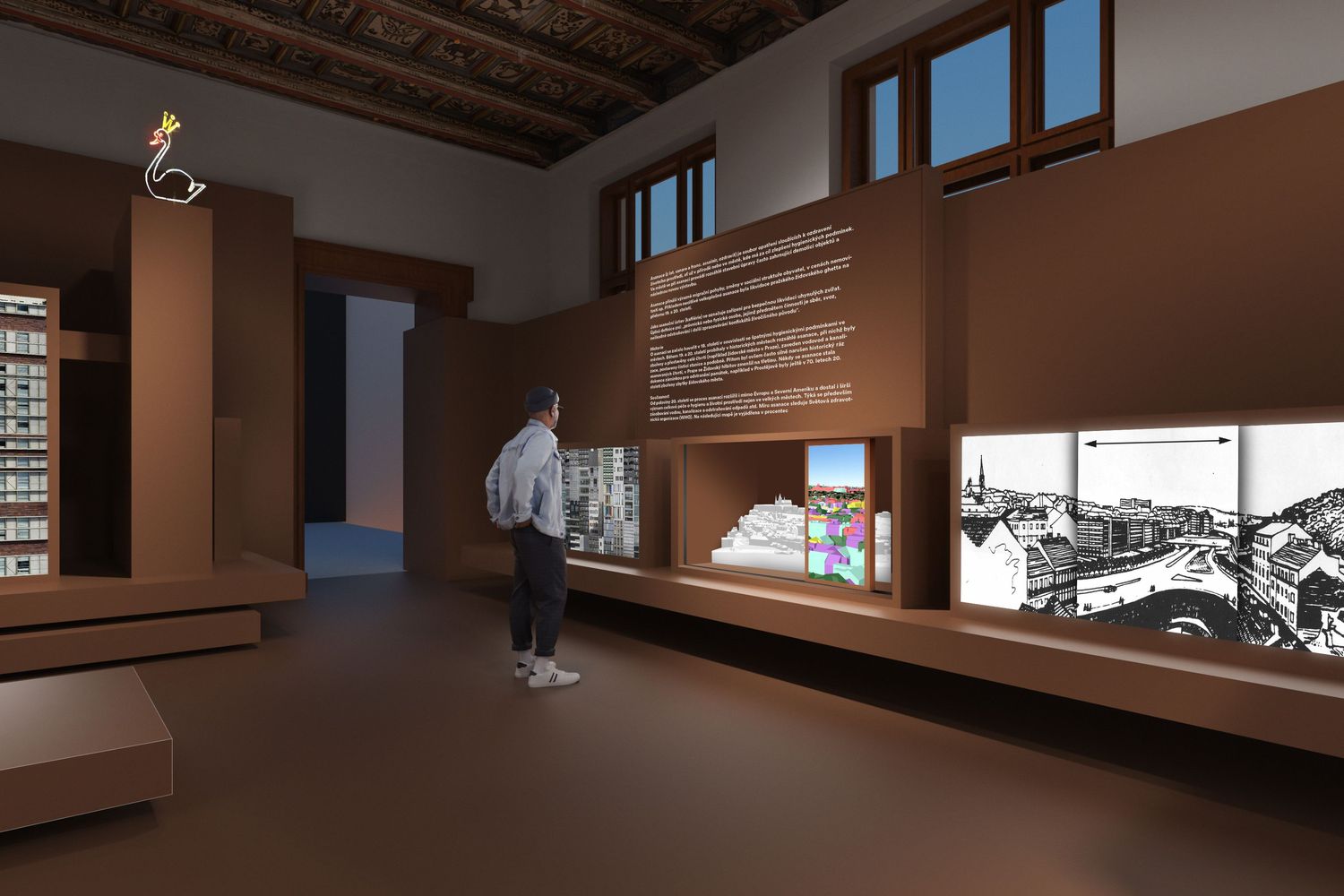
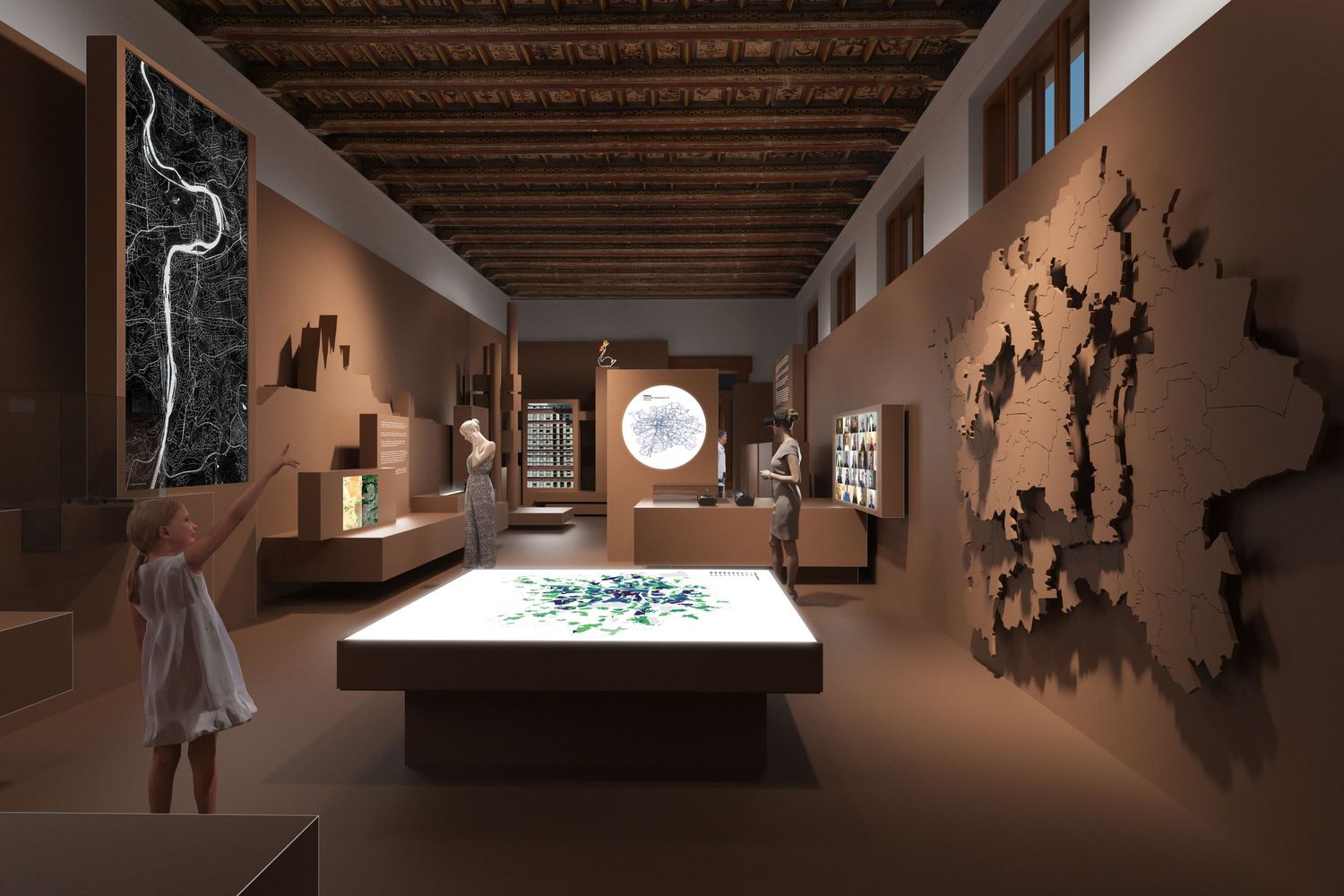
Contemporary Prague forms the finale of the museum exhibition. The hustle and bustle of the big city pulsates through the space via ambient sound, while the architecture of the room refers to maps, important buildings, and street furniture. Various technologies—interactive displays, peepholes, virtual reality, and augmented reality—allow visitors to explore urbanism, development, and demographics. A digital-analog map shows the growth of the city, the emergence of individual districts, and population density. The transformation of the river and its functions, the growing number of bridges, and the development of embankments are presented in the context of significant buildings.

Virtual reality transports visitors to the Petřín Lookout Tower or the Žižkov Television Tower and offers a bird’s-eye view, which is the key motif of the entire exhibition. Changes in architectural styles are illustrated by X-ray displays and peepholes focused on important buildings of modern and contemporary architecture. Iconic artistic elements in the city’s exterior spaces are also included.

The space is accompanied by characters sharing their stories about their relationship to the city and opening up topics such as the transformation of visual style and the influence of city districts on the appearance of the metropolis. After leaving the room, an AR display on the gallery above the foyer brings the fresco above the stairs to life and symbolically marks the moment of discovering the view of the city that stood at the birth of Langweil’s model. The second display points to the third room and connects the digital characters from the exhibition with those who are currently in the space.

3dsense

Natalie Krausová, COO

Jiří Wild, CTO

Josef Lepša, Art Director

Marek Volf, Project manager

Cirque.Menu

Petr Hák, Architect

Zbyněk Krulich, Experiential designer

Related projects